Showing posts with label seed. Show all posts

Tuesday, 10 June 2014

fish and flowers

Last week we headed off to Cornwall for a four night break in St Mawes, at the tip of the Roseland peninsula. Unlike the dramatic surfy coast of North Cornwall, the south is a land of gentle creeks and estuaries.  The easiest way to get around is to dump the car and hop on the little ferries that putter backwards and forwards across the rivers. At this time of year the footpaths and lanes are bursting with flowers and heady with scent. Pockets of sub-tropical microclimate have drawn gardeners to create their fantasy landscapes. The area is studded with historic big hitters like Trebah, Glendurgan and Trelissick. These succulent beauties were local to us at Lamorran...


..and we travelled up the road to St Austell to visit the modern vision at the Eden Project.


But I am drawn to the the wild volunteers that spring from every hedgebank and crack in the wall.


Babingtons Leek - a garlicky native of the area


Mexican Fleabane - Erigeron karvinskianus


Couldn't resist collecting some seed to soften up the new hard landscaping back at the ranch.


Resisted these - a seaside themed bathroom was rejected by Mr AP


We dressed up for smart cocktails at Hotel Tresanton,


and ate fish and chips by Falmouth Harbour.


Home now and back to work tomorrow.
The forecast says it's going to be hot - and that means horseflies!
I must go dig out the insect repellent...

Saturday, 7 June 2014

tea time two

the first homemade herbal tea of the season


with mint from my new herb garden
and lemon balm from the community garden that I helped out a bit
next year there will be home grown fennel seeds
it needs a few elderfowers for sweetness
I have some drying in the shed
it feels good to store the first harvest of the year
sunshine in a cup
xxx

Monday, 7 October 2013

bonkers for conkers...

...and other pretty things for a nature table*


My friend teaches reception at primary school,
and she likes to make a nature table.
  Things to touch and smell and name and notice.
 Things to count and sort and peer at with a magnifying glass.
  On my morning rounds I fill my pockets with treasure, before it gets trampled. 
Acorns and cones, spotty feathers and a posy of fiery leaves.

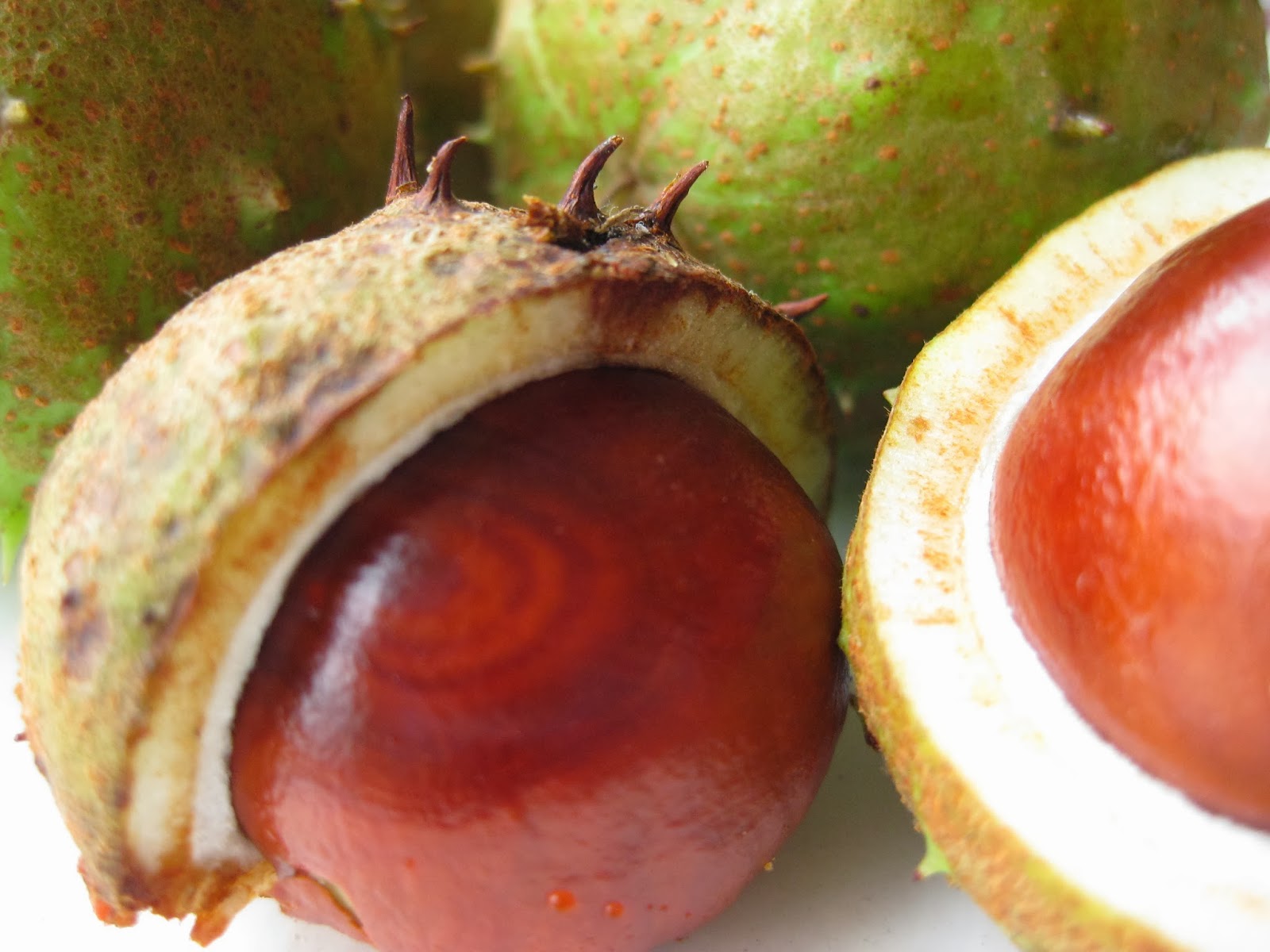
Of course it wouldn't be autumn without conkers


Throw in a horse marrow in striped pyjamas and a pumpkin or two
 - and that's a table full of autumn joy that nobody could resist!

*talking of bonkers - have you seen what kylie's up to at lucy violet vintage?

Saturday, 17 August 2013

cool as a cucumber

One my most frequently asked questions at work is 'What's that? (while pointing at a common vegetable in its mature flowering/fruiting phase). There is often a faintly accusatory tone, particularly if the specimen in question appears to be dead. Sometimes the enquiry comes in the form 'Why do you let your vegetables go bad?' My reassuring explanations that vegetable seed comes from vegetable flowers, not just from packets at the garden centre, are met with grudgingly suspicious acceptance. My follow up scramble through the difference between annual, biennial and perennial, and the need to collect ripe seed from a (sadly deceased) parent plant, or an unappetisingly leathery mature fruit, feels like an alibi. I may not have shot the sheriff - but I did allow those peas to complete their life cycle in order to harvest viable seed.

So thank goodness for my lovely hotbed cucumbers - happily demonstrating all phases of growth at the same time.*  Pickling size 10cm, salad size 15cm and 'the one that got away' - 20 cm, completely inedible and full of mature seed to collect and sow next year...


*My early season romantic dreams of brining my own cucumbers from the hotbed obviously failed to take into account the arrival of the builders and the removal of the kitchen. I won't be preserving anything that can't take it's chances hanging in the shed - thank goodness it's been a bumper year for shallots and garlic (more of that soon). 

Thursday, 18 April 2013

ready, steady, go!

I've spent the last month fiddle faddling about because of the unusually cold spring we've been having - now suddenly the weather has turned and I'm trying to do everything at once to catch up.  Outside in the veg beds I've been planting potatoes, making seed beds (mmm tilth!), and sowing peas and beans. The little greenhouse that I use isn't heated, so I usually start my tender stuff off in trays and modules on a window ledge.  Doesn't matter how many times I do it, I always get a kick out of sowing seed, then watching and waiting for it to germinate.  It's such a hopeful thing to do - there's some special kind of alchemy...

a handful of seed


a misty propagator lid on a sunny window ledge


and a little patience


et voila!

First out of the traps this year is this pot marigold - not at all tender or in need of such special treatment, but I'll be growing them on in modules for my lovely friend Sian to use for her bee activity in May.  The seed for these really does look like something you might have swept up off the bathroom floor after a pedicure session - but a bit of water and warmth is all they need to spring into life.  Magic!

Saturday, 13 April 2013

tudor time

Spring finally showed up this week, so I have been getting on with some seed sowing - it feels so good to finally get my fingers in the dirt again.  Lots is written on the subject of the correct soil temperature for seed germination - lord knows I've been banging on about it myself in relation to my hotbed.  But forgive me, it's my first time - I've been like an over anxious parent checking the temperature of the baby's bathwater with a thermometer.  As everyone knows, the best thing to do is roll up your sleeve and dip your elbow in.  Same with soil, although not your elbow - get your hands in it.  If it feels like a warm and inviting place to be, (imagining of course that you are a seed*), then it's the right time to sow.


One of the areas in my care is the garden for a Tudor longhouse. The timbers of the house have been dated to the 1500's so we try to reflect that with the look and contents of the garden. It has wooden raised beds based on images from woodcuts of the period, and the seed is broadcast rather than sown in rows**

 I grow a medieval broad bean...

martock beans

...and a pea that gets a mention in 1660...

carlin peas

...some texts talk about sowing seed as mixtures, so I'm trying a mix of carrots, turnips and parsnips.

carrot, parsnip and turnip mixture

Not sure how well this will work - the turnips and parsnips might be too muscly for the carrots.  Will let you know how I get on with that.  It's only a titchy garden, but I'll also be growing some leeks, garlic (already in), and a bed of coleworts and collards.  These loose headed kale-y things are much older in date than the ball shaped cabbages we grow today.  Maps of the period sometimes have gardens marked as 'kale yards'. 

There's also a herb bed that's in the process of renovation, so I'll be growing some more stuff for that this year.  But more of that another time....


*This takes me way back to the first few weeks of my degree with a bunch of very self conscious 18 year olds in our first drama workshops. "Be a tree.... Don't just be a tree - be what a tree means to you..." ?!?! 

**Sowing seed in rows is first mentioned in gardening texts of the late 17th century, soon after the invention of the farmers' horse drawn seed drill.

Wednesday, 23 January 2013

happiness is a full seed box


More seeds arrived today - that’s nearly everything that I ordered.  There’s a few of the more arcane things left to come from Thomas Etty. I do have moments where I think I should alphabetise my seed box – but I think maybe that’s a guy thing (correct me if I’m wrong).  It’s as much as I can do to keep all my cabbagey things together without having them filed under ‘k’ for kale, ‘c’ for collard greens and ‘b’ for broccoli. Also does corn salad go under ‘c’ for corn, ‘s’ for salad or ‘l’ for lambs lettuce?  See!?! – Bored with it already! 


The other very exciting thing that arrived today was the shallots and garlic – Yay!  In spite the old adage to ‘plant on the shortest day - harvest on the longest day’, I usually get mine in some time in early February.  They need a long growing season with a good cold spell at the beginning, which helps the bulbs split and form a proper head.


The garlic is ‘Solent Wight’, a softneck variety that reliably produces good size heads and stores really well, and the shallots are ‘Golden Gourmet’. It’s worth getting your garlic from a garden centre or mail order – planting stuff from the supermarket means you’ll be growing varieties that prefer hotter climates.  The varieties with Isle of Wight names are better adapted to our cooler, shorter growing season.


After harvesting in late July, I like to plait the garlic and string the shallots, which makes them look very fancy, (but it’s easy when someone shows you – I’ll teach you some time).  Hanging them up in a cool shed is the best way to store them. I know some people like to put them in old tights instead of stringing them -  now I’m no Martha Stewart, but I don’t wear tights, and even if I did I wouldn’t want my old ones hanging up in the kitchen with onions in them!


Thursday, 17 January 2013

a whisper and a rattle


There’s snow in the forecast for tomorrow and the landscape is deep in its winter snooze, but the first whispers of spring are emerging and they always take me by surprise.  Long before the big burst of lavish spring colour, the white flash of a snowdrop and the modest delicacy of hazel catkins catch my eye as they start to appear in the hedgerows.  The Welsh name for catkins is cynffon oen bach  - little lambs’ tails. Appropriate as they dance in the slightest breeze.


Also – collected the post this morning to find a nice fat envelope that rattled when I picked it up – seeds!  Just a few packets of tall heritage peas and some outdoor pickling cucumbers, there’ll be plenty more in the post over the next few weeks.


Now where did I put that snow shovel…???

an apple tree is for life not just for Christmas...


The cold weather has finally arrived and the muckheap I have been spreading onto the freshly dug veg beds has frozen into a giant poopsicle.  So I have retreated to the shelter of the potting shed to organise the tools and dream up plans for spring.  This time of year seems impossibly far from the warm soil and lengthening days needed for seed sowing, but it does have its own opportunities.  If you want to plant any fruit trees or bushes this year – now is the time to buy them ‘bare root’ from specialist fruit nurseries at a fraction of the price of container grown stock available all year round from garden centres.  The natural dormancy of the plants between November and March means they can be transplanted with minimal disturbance, just give the roots a good soak and protect them from cold winds until the ground thaws and you can get them in. If you dream of planting your own orchard there’s some basic stuff to know about fruit trees that will help get you started:

Size matters: Most fruit trees are grafted onto dwarfing rootstocks, this means you know what size your mature tree is going to turn out.  Remember that fruit for eating needs to be picked from the tree – the bruise it gets as it thuds to the ground means it won’t keep. So don’t get too ambitious with the size unless you’re very happy dancing around on the top of a ladder.  Also, make sure you plant your trees far enough apart – there will be advice on the label.  It’s tempting to cram them in when they just look like tiny sticks but they will reward you if you give them the room they need to grow.
Read the instructions: Although in our house reading the instructions is considered to be ‘for girls’, it really is worth studying the info about your new trees.  Reputable nurseries should be able to help you choose your trees and their catalogues are full of handy tips.  It’s going to be a good few years before you get your first decent crop so it’s worth investing the time to do your research up front.  As well as advice on size and variety, the label or catalogue will give you a number between one and five that relates to the pollination group, (don’t panic), of the tree.  Which brings me to my next point….
The birds and the bees:  Most trees can’t pollinate themselves – they need a friend.  Pollination groups relate to flowering time and the numbers divide the varieties into groups from early to late flowerers. For pollination to happen the trees need to be in bloom at the same time so the bees can do their work. Trees from the same group or one number either side will be good together: ie  a 2 is good with a 1,2 or 3 but not with a 5.
Growing from seed: Since we’re on the subject of the birds and the bees – the seed inside an apple is the product of sexual reproduction, (I know!).  The fruit of the plant that grows from that seed will have characteristics from both of its parents – and not necessarily the desirable ones! To get the same apple you need to take a cutting from the parent tree and graft it (life’s too short – spend the money).

So when you find an apple that you love the taste of, instead of coming over all Johnny Appleseed, write down the name of the variety and order it in the size you want from a good supplier.